If you're searching for medical aid in Zimbabwe for diaspora family — a parent in Harare, a sibling in Bulawayo — you've probably weighed traditional medical aid or health insurance against simply sending money. This guide compares medical aid Zimbabwe options for diaspora sponsors with SendiMed care plans so you can choose with clear eyes — no sales pitch, no jargon.
What traditional medical aid does well
Zimbabwean medical aid societies are designed for large, unpredictable medical events: hospital admissions, surgery, specialist care. If your family member has a serious health event, a well-funded medical aid membership is valuable and hard to replace.
- Covers hospitalisation and specialist treatment that a monthly care package cannot.
- Recognised by major private hospitals and providers.
- Suited to households already living in Zimbabwe who manage their own membership.
Where medical aid in Zimbabwe gets difficult for diaspora sponsors
- Shortfalls and co-payments: many members still pay cash at the counter, which means another transfer from you.
- Currency friction: premiums and shortfalls move between USD and ZWL, so what you paid is rarely what is charged.
- Limited visibility: as the sponsor abroad, you usually cannot see whether a claim was accepted or what was actually dispensed.
- Admin distance: renewals, updates and disputes are handled locally, in local business hours.
What a SendiMed care plan is — and isn't
A SendiMed care plan is a structured monthly care package paid in USD from abroad. You choose the plan, register your beneficiary, and we coordinate the agreed medication or health support through vetted, licensed pharmacy partners. It is not insurance, and it does not replace hospital cover.
Side-by-side comparison
- Purpose — Medical aid: large, unpredictable medical events. Care plans: routine, recurring medication and check-ups.
- Currency — Medical aid: local billing with shortfalls. Care plans: fixed USD price, paid before anything happens.
- Transparency — Medical aid: claims handled locally. Care plans: you get confirmation when the care is fulfilled.
- Who controls it — Medical aid: the member in Zimbabwe. Care plans: you, the sponsor abroad.
- Setup — Medical aid: local membership and documentation. Care plans: sign up online in minutes from anywhere.
Why USD pricing matters
Sponsors abroad budget in USD, GBP, EUR or ZAR. A fixed USD monthly price means you know the cost before you commit, and your family is never asked for a top-up at the counter because of an exchange-rate shift. Predictability is the point.
Why coordination beats cash
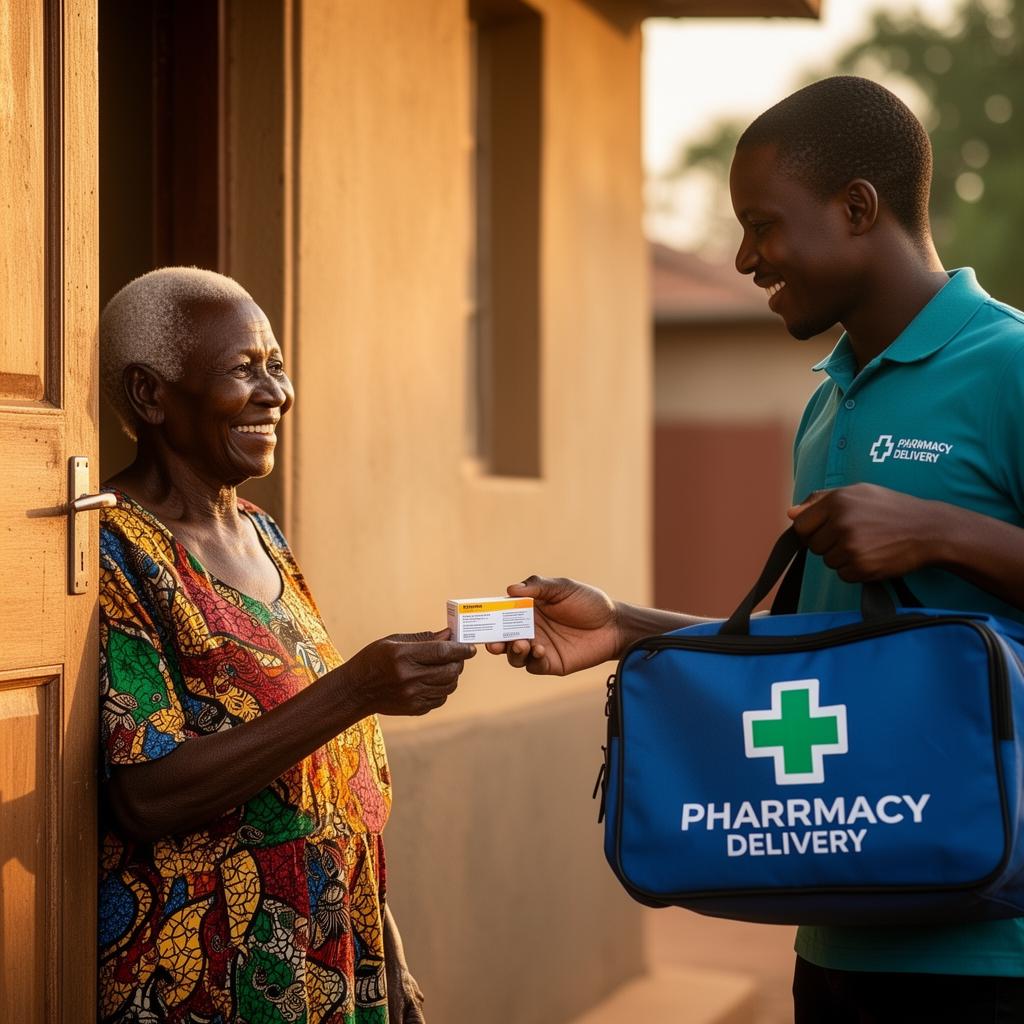
Sending cash puts the burden of pharmacy visits, price hunting and follow-up on the person who is already unwell. A care plan turns that into a coordinated process: the pharmacy prepares the order, your beneficiary collects or receives it, and you get confirmation it happened.
Medical aid protects against the crisis. A care plan keeps the everyday health of your family steady — most months, that's what's actually needed.
— SendiMed founding team
Can you use both?
Yes — and for many families that's the strongest setup. Keep medical aid for hospital and specialist risk, and use a SendiMed care plan for the monthly chronic medication, tests and check-ups that medical aid often only partly covers.
How to choose
- Choose medical aid if the main worry is hospitalisation or surgery.
- Choose a SendiMed care plan if the recurring need is medication, BP or diabetes monitoring, and consistent monthly support.
- Choose both if you want hospital cover plus reliable, visible day-to-day care.
Medical aid and care plans solve different problems. If your family's most frequent need is monthly medication and routine checks — and you want to pay in USD and see it confirmed — a care plan is the more direct answer.
SendiMed team
Published Aug 3, 2026
Compare SendiMed care plans
See what each plan includes, in USD, with no shortfalls at the counter.